Youxuan 6-min
I. Construction of Laboratory Infrastructure
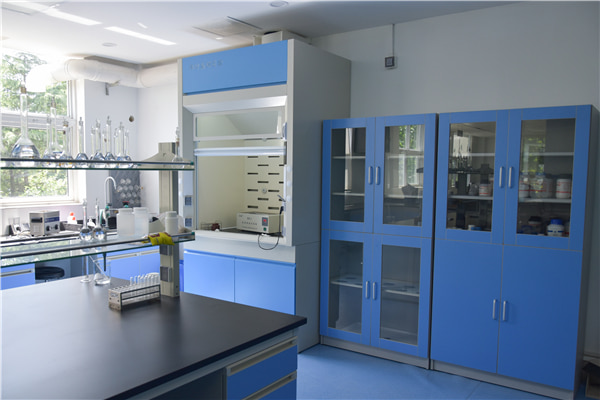
Laboratory space planning: Reasonably plan the laboratory space, including sample preparation area, detection area, data analysis area, etc., to ensure clear processes and no cross-contamination.
Biosafety measures: Adopt advanced biosafety technologies, including negative pressure air systems and air filters, to ensure a clean laboratory environment and prevent possible disease transmission.
II. Procurement of Detection Instruments and Equipment
PCR detection equipment: Purchase high-sensitivity and high-accuracy PCR instruments for rapid detection of pathogens in animals.
ELISA testing instruments: Introduce advanced enzyme-linked immunosorbent assay (ELISA) instruments for detecting antibody levels in animals.
Bioinformatics analysis equipment: Equip with high-performance computers and bioinformatics software for data analysis and result interpretation.
Instrument Recommendations
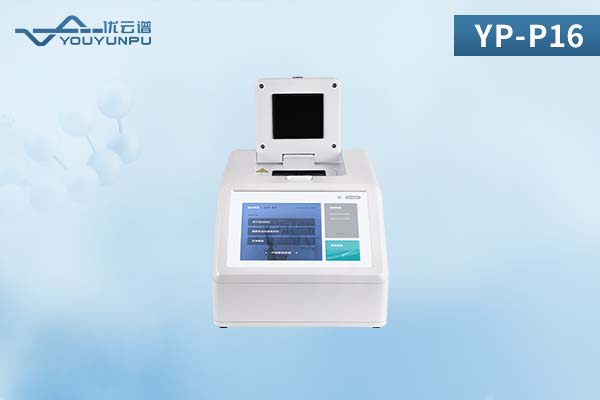
Youyunpu Animal/Pet Virus Detector YP-P16
Adopting polymerase chain reaction (PCR) molecular biology technology, it can be used to detect pathogen DNA or RNA in animal body fluids or tissue samples. The PCR detector amplifies and detects specific nucleic acid sequences of pathogens to determine whether there is infection with specific diseases.
Youyunpu Fluorescent Quantitative PCR African Swine Fever Detector YP-PC32
It conducts real-time monitoring of the experimental process through fluorescence excitation and collection, draws experimental process data into fluorescence curves, which are displayed in real time on the instrument interface, fits and analyzes the experimental data, and finally generates a PDF format experimental report.
It performs rapid and accurate qualitative and quantitative analysis of target nucleic acids contained in biological samples (such as blood, body fluids, etc.) taken from other animals, and can also conduct standard curve, melting curve, genotyping and other analyses on special samples.
YP-P32
Youyunpu Rapid Animal Disease Diagnostic Instrument YP-SY96S
Combined with corresponding reagents, it can conduct rapid qualitative or quantitative diagnosis of animal diseases by enzyme-linked immunosorbent assay (ELISA).
Applicable to detection of diseases such as porcine reproductive and respiratory syndrome virus, classical swine fever virus, pseudorabies virus, pseudorabies virus gE protein, porcine circovirus, Japanese encephalitis virus in pigs, foot-and-mouth disease 3ABC protein in pigs, foot-and-mouth disease virus IgG in pigs, porcine parvovirus, avian influenza in chickens, bluetongue disease, white spot syndrome, contagious bovine pleuropneumonia, rinderpest, sheep pox and goat pox, etc.
Youyunpu Animal Disease Detector YP-DWYB
This animal disease diagnostic instrument is suitable for the detection of animal diseases, veterinary drug residues, toxic and harmful substances and antibiotic residues in livestock and poultry products such as pigs, chickens, ducks, sheep, cattle and milk.
It can rapidly detect the following items on site by qualitative analysis: porcine reproductive and respiratory syndrome virus, classical swine fever virus, aflatoxin B1, pseudorabies virus, pseudorabies virus gE protein, foot-and-mouth disease 3ABC protein in pigs, foot-and-mouth disease virus IgG in pigs, porcine parvovirus, avian influenza in chickens, clenbuterol hydrochloride, ractopamine, salbutamol, enrofloxacin, chloramphenicol, streptomycin, melamine, gentamicin, sulfonamides, quinolones, furans, tetracyclines, amoxicillin, malachite green, aflatoxins (B1, B2, G1, G2, M1, M2), disease diagnosis, ciprofloxacin, erythromycin, oxytetracycline, olaquindox, diethylstilbestrol, etc.
III. Construction of Laboratory Team
Establishment of professional team: Recruit professional disease detection talents with backgrounds in veterinary medicine, biology, molecular biology, etc.
Construction of training system: Establish a sound training system to ensure that team members proficiently master various detection technologies and laboratory management processes.
IV. Sample Management and Data Storage
Sample collection and storage system: Formulate scientific and reasonable standards for sample collection, preservation and transportation to ensure sample integrity and reliability.
Database construction: Establish an electronic database system for storing, managing and querying detection results, facilitating real-time grasp of animal health status.
V. Establishment of Quality Control System
Internal quality control standards: Formulate internal quality control standards to ensure the accuracy and consistency of laboratory detection results.
Participation in external quality control: Participate in relevant external quality control institutions to improve the overall level of the laboratory.
VI. Laboratory Information Security Assurance
Information system protection: Take information security measures to ensure that laboratory data are free from unauthorized access or leakage.
Backup and emergency plan: Establish a data backup mechanism and emergency response plan to prevent data loss and laboratory emergencies.
The above construction scheme aims to build a complete, effective and safe laboratory animal disease detection system, providing a sound prevention and control measure for animal health.